High Altitudes of Val Gardena: Walking the Ancient Ladin Passes
When autumn burns through larch forests and summer climbers depart, the limestone towers of the Sella Group reveal their ancient character.
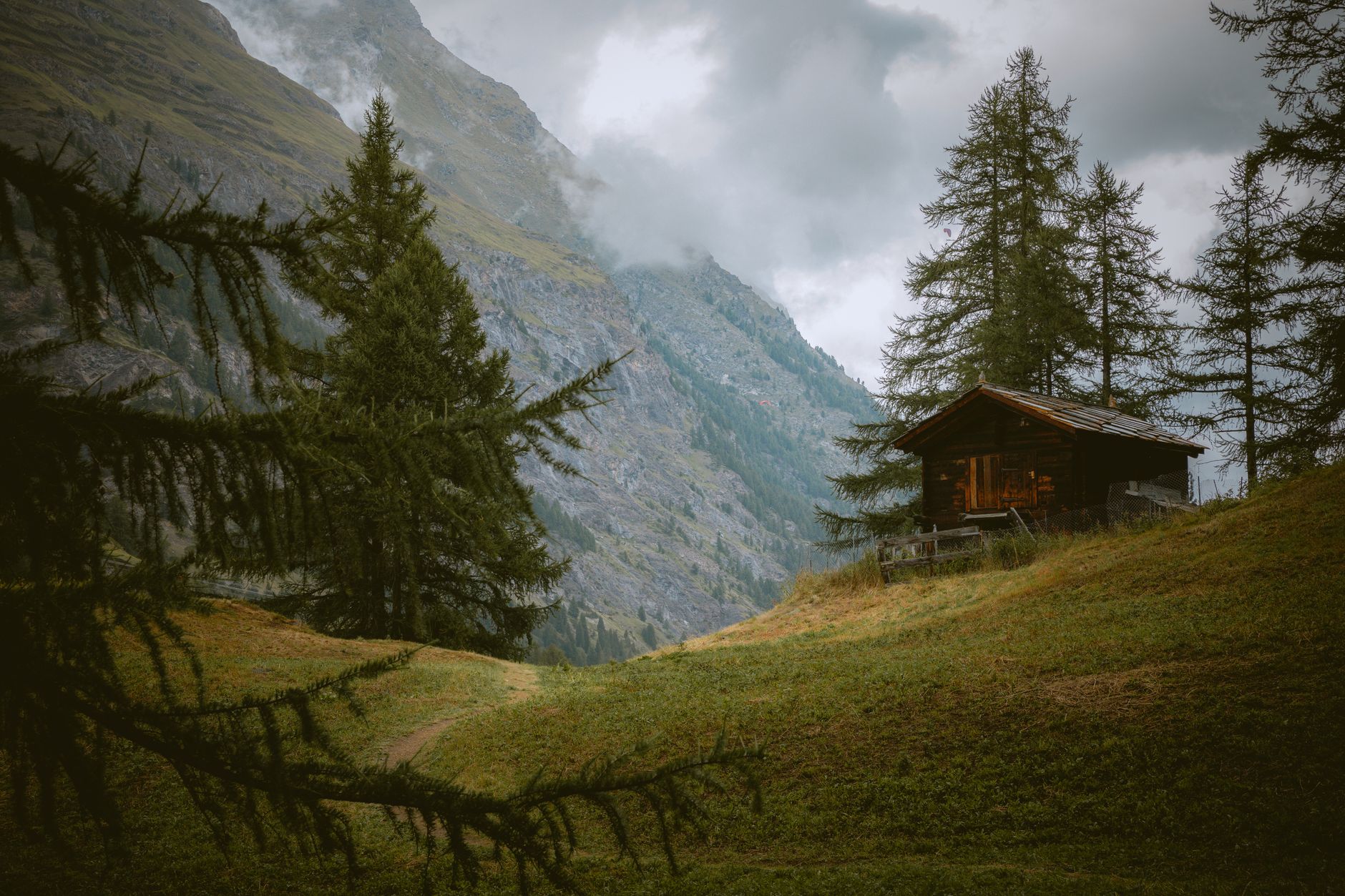
To understand Val Gardena, one must first listen to the language. Ladin, a Rhaeto-Romance idiom spoken by barely thirty thousand individuals across four valleys, carries the cadences of Roman soldiers who settled these serrated peaks two millennia ago. In the early morning chill of Selva, the words linger in the steam rising from farm bakeries.
The Solitude of the High Pastures
Between late September and the first snowfall in November, the high pastures of the Alpe di Siusi undergo a profound quiet. The cattle have descended to the valley in ceremonial transhumance, their brass bells echoing off sheer cliffs. What remains is an immense undulating carpet of amber grass framed by the jagged silhouettes of the Sassolungo.
"The mountains here do not demand to be conquered; they invite an unhurried, reciprocal attention that modern tourism rarely accommodates."
Hiking along the Friedrich August trail towards the Plattkofel hut, one is struck by the deliberate construction of the dry-stone walls. Built without mortar to delineate centuries-old hay meadows, these boundary markers withstand freeze-thaw cycles that would crumble modern concrete.
Woodcarving as Meditation and Subsistence
During the long winter months when snow blocked the high passes, the families of Val Gardena turned to cembran pine. What began as functional toy carving evolved into one of Europe's most intricate sacred sculpture traditions. In a modest studio in San Cristina, master carver Lukas Senoner still works by north light, his chisels removing paper-thin shavings of aromatic wood.
"People rush through five peaks in a weekend," Senoner notes without rancor. "Wood teaches you the speed of growth. A tree takes two centuries to mature high in the forest; it deserves at least three months of patient handwork before becoming an altar."
Traveler's Field Notebook
- Best Season: Mid-September through late October for empty trails and golden larches.
- Transit Note: The region operates a seamless bus pass included with local guesthouses; leave your vehicle parked.
- Etiquette: Greet passing walkers with a quiet "Bon di" in the upper reaches.
As evening descends, the pale dolomite rock absorbs the setting sun, glowing with the chemical phenomenon of the enrosadira—a luminous pink and copper burnishing that lasts ten fleeting minutes before surrender to alpine dusk.